
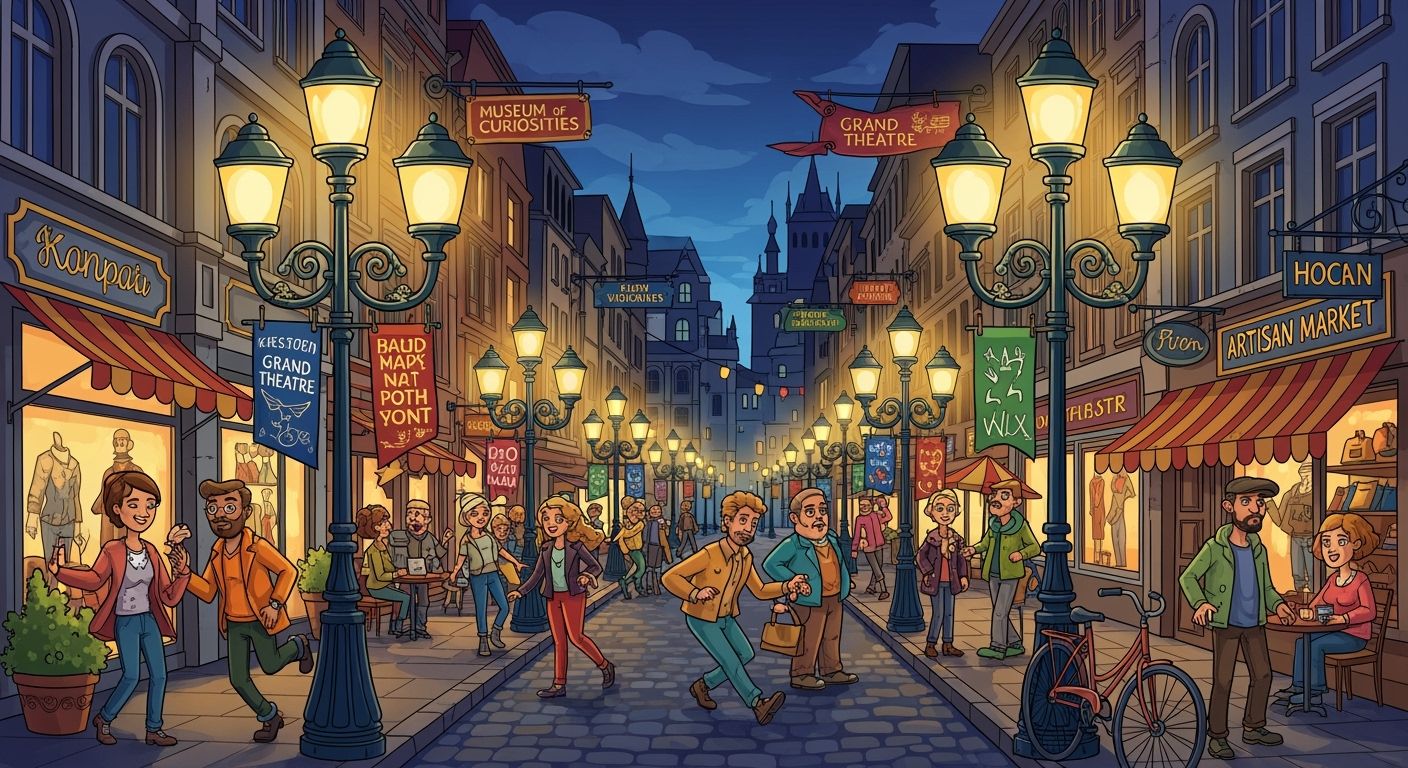
Decorative street lighting must protect the visual character of historic districts while providing reliable illumination for pedestrians, vehicles, public spaces, and commercial activity. Municipal authorities, landscape architects, engineering consultants, and contractors must coordinate appearance, photometric performance, structural safety, heritage requirements, installation, and lifecycle maintenance.
A period-style luminaire or decorative pole is not enough by itself. The complete system must control glare, maintain appropriate light levels, withstand local wind and corrosion conditions, provide safe electrical access, and remain serviceable without damaging sensitive streetscapes.
LeapPole provides configurable decorative and landscape light poles for historic streets, cultural districts, plazas, pedestrian areas, commercial streets, and tourism developments.
Key Takeaways
- Match pole proportions, luminaire form, materials, colors, and decorative details to the architectural context.
- Use photometric calculations to determine luminaire output, optical distribution, pole height, and spacing.
- Control glare, spill light, excessive contrast, and unnecessary uplight to protect pedestrian comfort and historic façades.
- Integrate modern LED modules into traditional-style housings without making maintenance unnecessarily difficult.
- Coordinate designs with heritage authorities, municipal departments, landscape architects, utility providers, and local stakeholders early in the project.
- Confirm wind load, soil conditions, foundations, corrosion protection, electrical safety, and maintenance access before manufacturing.
- Request drawings, photometric files, structural information, material specifications, finish samples, test documents, and packing details during procurement.
Part1: Application Scenarios
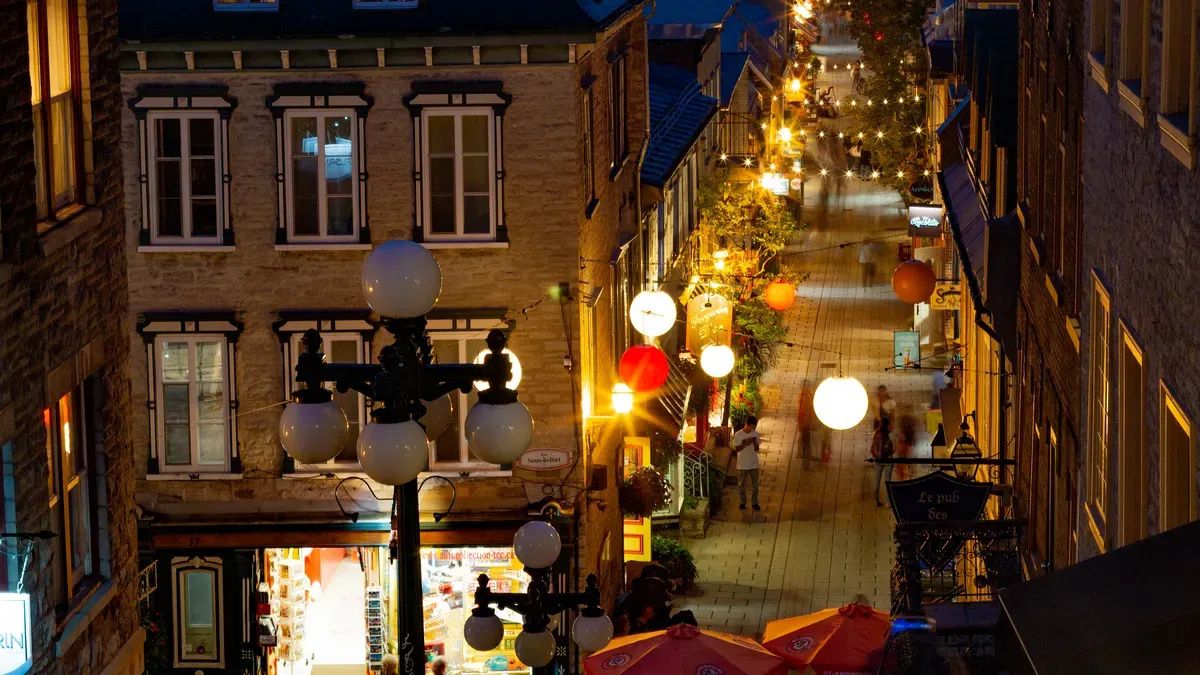
1.1 Historic Streetscapes
Historic streets often contain façades, paving, signs, trees, monuments, street furniture, and utility infrastructure from different periods. New lighting should support this environment without dominating it.
Important design considerations include:
- Architectural period and local design language
- Pole scale in relation to surrounding buildings
- Luminaire shape and visible proportions
- Brackets, finials, bases, and decorative details
- Pole color, texture, and surface finish
- Existing street furniture and landscape elements
- Important views and sightlines
- Pedestrian and vehicle movement
- Underground utility constraints
- Heritage authority requirements
Historic appearance should not compromise engineering performance. Decorative poles still require appropriate structural capacity, access doors, grounding, corrosion protection, and secure luminaire mounting.
1.2 Cultural Tourism and Pedestrian Streets
Cultural tourism streets normally support pedestrians, cafés, shops, public events, wayfinding, and evening activity. Lighting should create visual continuity while helping visitors recognize walking routes, crossings, steps, entrances, and public facilities.
The design should avoid creating isolated bright areas surrounded by dark zones. Excessive brightness can reduce visual comfort, obscure architectural details, and make adjacent spaces appear less secure.
Pedestrian lighting may be coordinated with:
- Decorative roadway luminaires
- Lower-scale pedestrian lights
- Building-mounted lighting
- Bollards
- Landscape lighting
- Wayfinding signs
- Event power and temporary installations
The lighting hierarchy should distinguish movement routes, gathering areas, architectural features, and secondary spaces without producing unnecessary visual clutter.
1.3 Plazas, Monuments, and Civic Spaces
Plazas and monuments often require separate layers of functional and architectural lighting. Pole-mounted luminaires can provide general illumination, while carefully positioned accent lighting highlights selected façades, sculptures, fountains, trees, or civic features.
Dynamic color-changing systems should not be treated as the default solution for heritage sites. RGBW or programmable lighting may be suitable for approved events, but permanent schemes should respect the cultural significance and material appearance of the site.
Where existing historic poles or luminaires have heritage value, retrofitting may be considered. Before retrofitting, project teams should evaluate:
- Structural condition
- Internal space
- Thermal management
- LED module compatibility
- Optical control
- Electrical safety
- Access for maintenance
- Protection of original materials
Any attachment to protected buildings, monuments, mature trees, or archaeological surfaces should follow the applicable conservation approval process.
1.4 Access Roads and Transition Zones
Access roads connect modern traffic infrastructure with historic or pedestrian-focused areas. Their lighting must support safe vehicle movement while preparing users for a change in speed, scale, and visual character.
Transition zones may require:
- Clear illumination at intersections and crossings
- Controlled glare for drivers
- Coordinated pole colors and forms
- Gradual changes in mounting height or fixture scale
- Reduced visual clutter near gateways
- Integration with traffic signs and signals
The decorative language can continue into access roads, but roadway optics and traffic safety should remain the primary engineering considerations.
Part2: Heritage, Safety, and Visual Comfort
2.1 Architectural Harmony
Decorative lighting should complement historic architecture rather than imitate it without context. Designers should study local materials, proportions, colors, and recurring ornamental details before selecting a pole or luminaire.
Visual harmony depends on more than decorative elements. Pole diameter, base size, bracket projection, luminaire scale, and mounting height all affect how the system relates to the street.
Project teams should coordinate:
- Pole silhouette
- Luminaire size
- Bracket form
- Base and access-door design
- Surface texture
- Paint or powder-coating color
- Fastener visibility
- Cable and cabinet placement
- Relationship with benches, signs, barriers, and planting
Custom decorative elements should remain practical to manufacture, pack, install, replace, and maintain.
2.2 Lighting Performance and Safety
Historic character does not remove the need for measurable lighting performance. Roads, paths, crossings, stairs, parking areas, and gathering spaces should be designed according to applicable local standards and the intended use.
Photometric calculations should assess:
- Maintained illuminance or luminance
- Overall and longitudinal uniformity
- Glare
- Optical distribution
- Vertical illumination where relevant
- Facial recognition needs in pedestrian areas
- Spill light onto buildings or residences
- Conflict with traffic signals
- Shadowing from trees and structures
The Illuminating Engineering Society publishes guidance that may support outdoor and roadway lighting design. Final criteria must be confirmed with the local authority and project consultant.
2.3 Color Temperature and Color Rendering
Warm white lighting is frequently selected for historic districts because it can complement masonry, timber, decorative finishes, and traditional architectural materials. However, one color temperature should not be prescribed for every project.
Selection should consider:
- Façade materials and colors
- Existing municipal lighting
- Pedestrian visibility
- Road classification
- Ecological requirements
- Camera performance
- Community expectations
- Heritage authority preferences
Color rendering is also important where pedestrians need to recognize faces, signs, paving changes, architectural details, and merchandise. Project specifications should define color temperature, color rendering, consistency, and allowable variation.
2.4 Glare and Spill-Light Control
Decorative luminaires can produce uncomfortable glare when the light source remains directly visible. Transparent globes or poorly controlled retrofit modules may create brightness without delivering useful illumination to the ground.
Glare-control measures can include:
- Shielded LED modules
- Appropriate optical distributions
- Diffusers designed for the selected light source
- Controlled mounting angles
- Full or partial cutoff optics
- Reduced output during low-activity periods
- Careful luminaire placement
- Coordination with windows and balconies
Frosted lenses alone do not guarantee good glare control. Optical performance should be verified through photometric files and lighting calculations.
2.5 Environmental Considerations
Historic and tourism districts may be located near parks, waterways, residential buildings, or ecologically sensitive areas. Lighting should minimize unnecessary uplight, light trespass, and excessive operating hours.
Environmental strategies may include:
- Efficient LED light sources
- Appropriate rather than excessive light levels
- Dimming during low-activity periods
- Shielding near residences and habitats
- Reduced blue-rich light where required
- Zoned controls
- Replaceable modules and drivers
- Durable poles and finishes with long service lives
The U.S. Department of Energy Solid-State Lighting Program provides technical information about LED lighting performance and energy efficiency.
Part3: Product Selection & Configuration
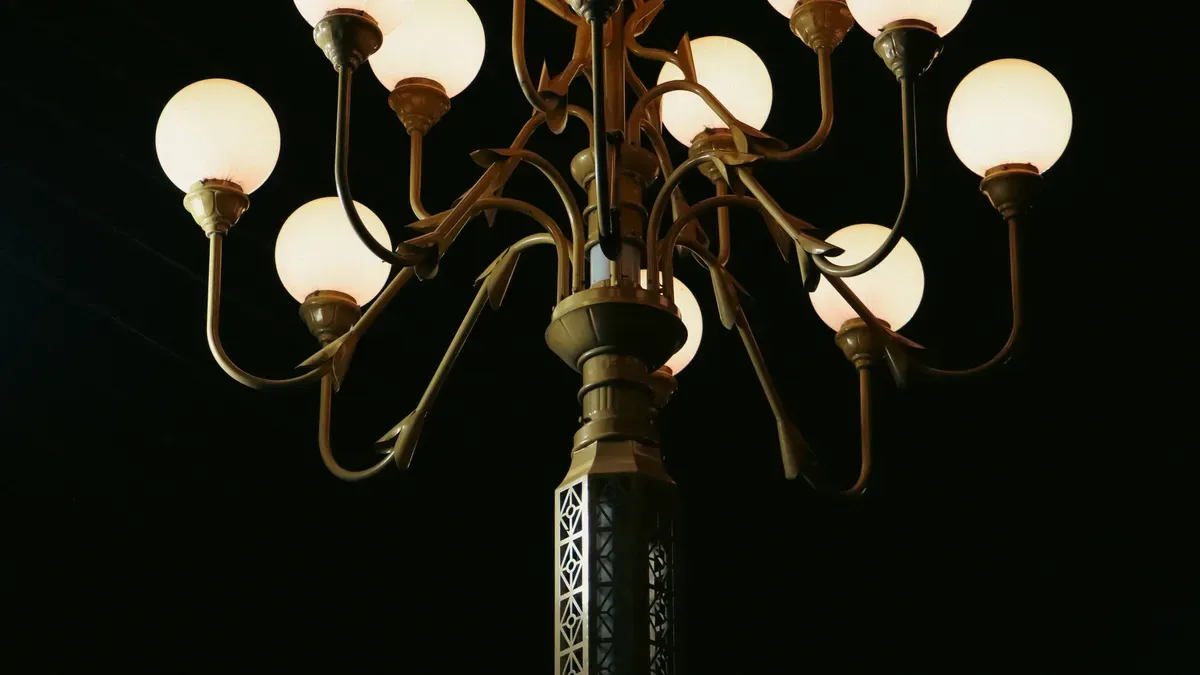
3.1 Decorative Light Poles
Decorative poles may be manufactured from steel, aluminum, cast components, or a combination of materials. Selection should reflect structural requirements, corrosion exposure, appearance, maintenance resources, and project specifications.
Important pole characteristics include:
- Pole material and grade
- Shaft dimensions and wall thickness
- Base style
- Decorative sleeves or cast elements
- Bracket configuration
- Access-door size and position
- Anchor-base or direct-burial installation
- Grounding provisions
- Surface treatment
- Color and texture
- Wind rating
- Luminaire and accessory loads
Decorative covers should not conceal corrosion, trap water, block anchor-bolt inspection, or prevent maintenance.
3.2 Decorative Luminaires and LED Modules
Modern LED street lights can be designed with traditional or customized housings. Buyers should evaluate the complete luminaire rather than selecting it only by appearance or nominal wattage.
The specification should address:
- Delivered lumen output
- System efficacy
- Optical distribution
- Glare control
- Color temperature
- Color rendering
- Ingress and impact protection
- Surge protection
- Driver accessibility
- Thermal management
- Photocell or control compatibility
- Photometric files
- Replaceable components
- Warranty terms
LED modules should fit the luminaire without creating visible hotspots or excessive source brightness.
3.3 Pole Height and Spacing
Fixed pole-height recommendations should not be used for all historic districts. Mounting height and spacing depend on:
- Street width
- Road and pedestrian use
- Required lighting class
- Luminaire optics
- Tree canopy
- Building setbacks
- Mounting location
- Glare limitations
- Desired visual scale
- Existing utility infrastructure
Shorter poles may suit pedestrian spaces, but they often require closer spacing and more foundations. Taller poles may reduce pole quantity but appear out of scale in narrow streets.
Photometric simulation should be used to compare configurations before procurement.
3.4 LED, Solar, and Grid Power
Grid-connected LED lighting is normally appropriate where reliable power and cable infrastructure already exist.
Solar lighting may be considered for remote paths, parks, waterfront areas, archaeological sites, or locations where trenching is restricted. However, standard all-in-one solar fixtures may not match heritage aesthetics, and nearby buildings or trees can reduce solar exposure.
A solar system should be selected only after evaluating:
- Daily energy demand
- Worst-case solar conditions
- Panel visibility
- Shading
- Battery autonomy
- Temperature range
- Maintenance access
- Theft and vandalism risk
- Visual impact
LeapPole’s solar lighting systems can be configured where off-grid operation is technically and visually appropriate.
3.5 Smart Controls
Smart controls can support:
- Scheduled switching
- Nighttime dimming
- Event lighting modes
- Fault reporting
- Energy monitoring
- Group control
- Remote diagnostics
Controls should simplify operation rather than make the system dependent on proprietary components that are difficult to replace. Municipal clients should review communication protocols, software access, cybersecurity, replacement options, and long-term technical support.
Dynamic event lighting should remain separate from normal safety-lighting requirements.
3.6 Customization
Decorative street lighting projects frequently require customization. Options may include:
- Pole height and shaft profile
- Brackets and cross arms
- Decorative bases
- Finials
- Custom colors
- Surface textures
- Luminaire housings
- Logos or municipal emblems
- Access doors
- Banner arms
- Sign brackets
- Hanging flower-basket supports
- Electrical outlets for events
Every added accessory changes structural loads and maintenance requirements. Complete accessory information should be included in the wind-load and foundation review.
Part4: Engineering, Installation, and Acceptance
4.1 Site Assessment
The site survey should record:
- Street and sidewalk widths
- Road classification
- Pedestrian and vehicle activity
- Historic façades and protected features
- Important sightlines
- Trees and landscape elements
- Existing lighting
- Underground and overhead utilities
- Soil and drainage conditions
- Wind and climate conditions
- Mounting restrictions
- Maintenance access
- Heritage and municipal approval requirements
Nighttime observations can help identify existing glare, dark areas, excessive brightness, and conflicts between functional and architectural lighting.
4.2 Structural and Foundation Design
Decorative details do not reduce structural requirements. Pole calculations should include:
- Pole and luminaire weight
- Bracket projection
- Decorative accessories
- Banner or sign loads
- Wind-exposed area
- Local wind speed
- Terrain category
- Foundation conditions
- Fatigue where applicable
- Future reserved loads
Foundation dimensions should be based on structural loads and soil conditions. Anchor-bolt templates, conduit positions, base-plate dimensions, decorative covers, and finished paving levels must be coordinated before construction.
4.3 Heritage and Municipal Approval
Historic-district projects may require approval of:
- Pole and luminaire drawings
- Finish samples
- Color samples
- Full-size mockups
- Nighttime lighting trials
- Photometric calculations
- Mounting locations
- Attachments to protected structures
- Trenching and foundation work
- Control schedules
- Architectural-lighting scenes
Early coordination reduces the risk of rejected samples, redesign, delayed installation, or inconsistent products across the project.
4.4 Installation
Installation teams should protect paving, façades, monuments, trees, and existing street furniture. Work plans may need to address restricted access, tourism seasons, business hours, pedestrian diversions, and archaeological monitoring.
Installation checks should include:
- Foundation position and level
- Anchor-bolt alignment
- Pole verticality
- Luminaire orientation
- Bracket alignment
- Fastener torque
- Grounding
- Cable termination
- Door sealing
- Surface-finish damage
- Control-system addressing
Damage to galvanizing, paint, powder coating, or decorative surfaces should be repaired using approved procedures.
4.5 Testing and Acceptance
Project acceptance should verify both engineering performance and visual consistency.
Recommended checks include:
- Product quantities and identification
- Pole and luminaire drawings
- Materials and finishes
- Coating color and appearance
- Installation alignment
- Electrical safety
- Control operation
- Nighttime photometric measurements
- Glare and spill-light observations
- Dimming schedules
- Communication functions
- Spare parts
- Warranty documents
- Maintenance instructions
A nighttime review with the municipal authority, consultant, and heritage representative can identify visual issues that are not apparent during daytime inspection.
Part5: Maintenance and Procurement
5.1 Maintenance Planning
Decorative lighting can become expensive to maintain when custom parts are not documented or replaceable. The maintenance plan should cover:
- Luminaire cleaning
- LED module and driver replacement
- Access-door inspection
- Corrosion and coating damage
- Pole alignment
- Anchor bolts and decorative base covers
- Brackets and accessories
- Control-system faults
- Tree growth and obstruction
- Spare parts
- Finish repair procedures
Decorative components should be removable without damaging the structural pole. Municipal owners should retain approved color references, drawings, component codes, and supplier records.
5.2 Information Required for Quotation
Buyers should provide:
- Project location
- Quantity
- Architectural references
- Pole and luminaire concepts
- Road and pedestrian layouts
- Required lighting criteria
- Wind and environmental conditions
- Soil or foundation information
- Surface finish and color
- Accessories
- Control requirements
- Applicable standards
- Required certificates and reports
- Delivery destination
- Project schedule
Clear information allows suppliers to quote comparable structural and commercial scopes.
5.3 Procurement Checklist
| Procurement Item | What to Confirm |
|---|---|
| Visual design | Pole proportions, luminaire form, brackets, base, finial, color, and texture |
| Lighting performance | Photometric files, optics, output, CCT, CRI, glare control, and dimming |
| Structural design | Material, dimensions, wall thickness, wind load, accessories, and foundation interface |
| Surface protection | Galvanizing, coating system, corrosion category, and finish samples |
| Electrical system | Driver, surge protection, grounding, access, controls, and cable routing |
| Documentation | Drawings, calculations, test reports, material information, and installation manuals |
| Maintenance | Replaceable components, spare parts, finish repair, warranty, and technical support |
| Logistics | Protective packing, labeling, container loading, and delivery scope |
5.4 LeapPole Project Support
LeapPole supports decorative street lighting projects with:
- Custom pole and bracket design
- Decorative base and finial options
- Luminaire and LED configuration
- Material and finish selection
- Structural coordination
- Shop drawings
- Finish samples
- Manufacturing and quality inspection
- Protective packing
- International delivery planning
Final specifications should always be based on site surveys, photometric calculations, local structural requirements, heritage approvals, and project documentation.
FAQ
How do you select decorative street lighting for a historic district?
Review the architectural period, building proportions, street width, pedestrian activity, existing street furniture, and heritage requirements. Select the pole and luminaire as a complete system, then verify lighting performance and structural capacity through project-specific calculations.
Should historic districts always use warm-white lighting?
Warm-white lighting is common, but it is not mandatory for every site. Color temperature should be selected according to façade materials, existing lighting, road safety, environmental requirements, camera performance, and heritage-authority preferences.
How are pole height and spacing determined?
Pole height and spacing depend on street geometry, luminaire optics, required illumination, glare limits, trees, building setbacks, and desired visual scale. Photometric simulation should be used instead of applying fixed dimensions.
Can LED modules be installed in traditional decorative luminaires?
Yes. The LED module must provide appropriate thermal management, optical control, ingress protection, driver access, and replaceability. A retrofit should not create excessive glare or visible hotspots.
Can solar lighting be used in historic districts?
Solar lighting may be appropriate where trenching is restricted or grid access is unavailable. The project must evaluate panel visibility, shading, battery autonomy, maintenance, architectural compatibility, and environmental conditions.
What documents should buyers request?
Request product drawings, photometric files, structural information, material specifications, finish samples, electrical data, test reports, installation instructions, packing details, spare-parts information, and warranty terms.
How can decorative poles be customized?
Pole height, shaft profile, brackets, decorative bases, finials, colors, textures, luminaires, logos, banner arms, and other accessories can be customized. Added accessories must be included in structural and wind-load calculations.
How can you request a decorative street lighting proposal from LeapPole?
Submit your project drawings, architectural references, location, quantities, lighting requirements, environmental conditions, finish preferences, accessories, and tender specifications. LeapPole will review the project and recommend an appropriate decorative pole and lighting configuration.
Ready to develop a coordinated lighting system for a historic district or cultural tourism street? Contact LeapPole for a project-specific evaluation.


