
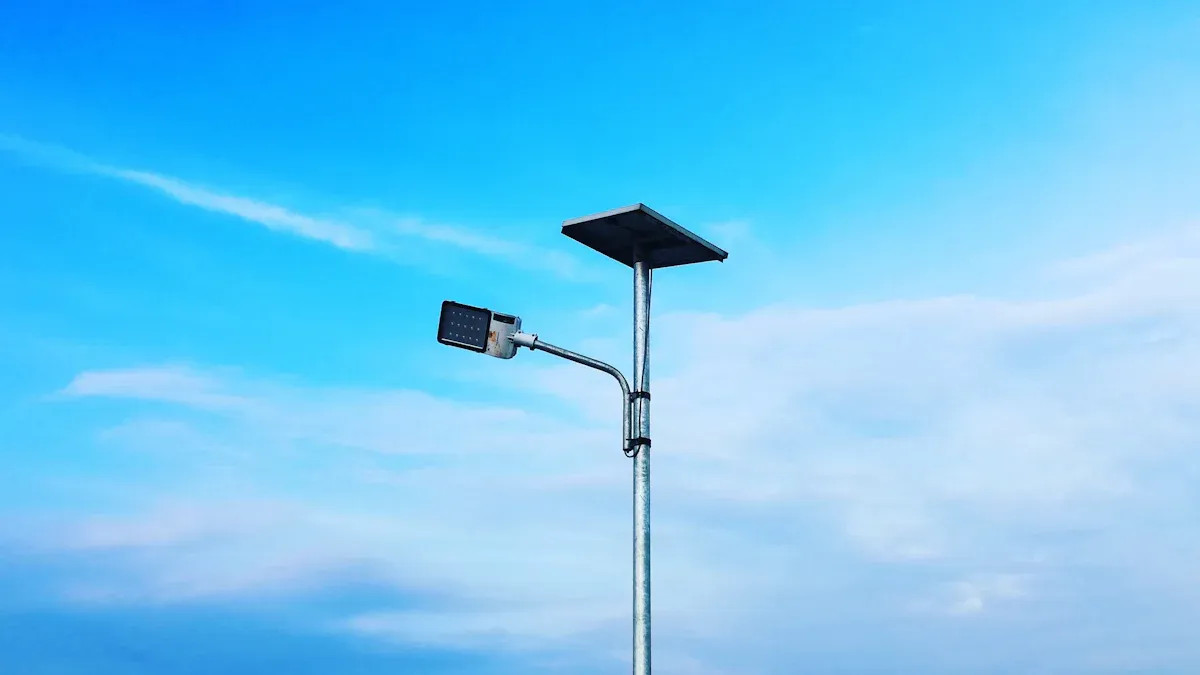
You may ask if it is safe to safely install solar lamp poles in places with strong wind. Big gusts can make you worry about how steady and safe the poles are. If you follow the right steps, you will feel better and keep your project safe.
Tip: Always look at wind ratings before picking your pole.
Key Takeaways
- Always look at wind ratings before picking solar lamp poles. Pick poles that can handle winds of 90-110 MPH in most places.
- Use a strong base and the right anchoring to keep the pole steady. Deep and wide bases are very important in windy places.
- Check your solar lamp poles often for any damage. Look for rust, cracks, or loose bolts to keep them safe and working well.
Safely Install Solar Lamp Poles: Design Essentials
Wind Resistance Factors
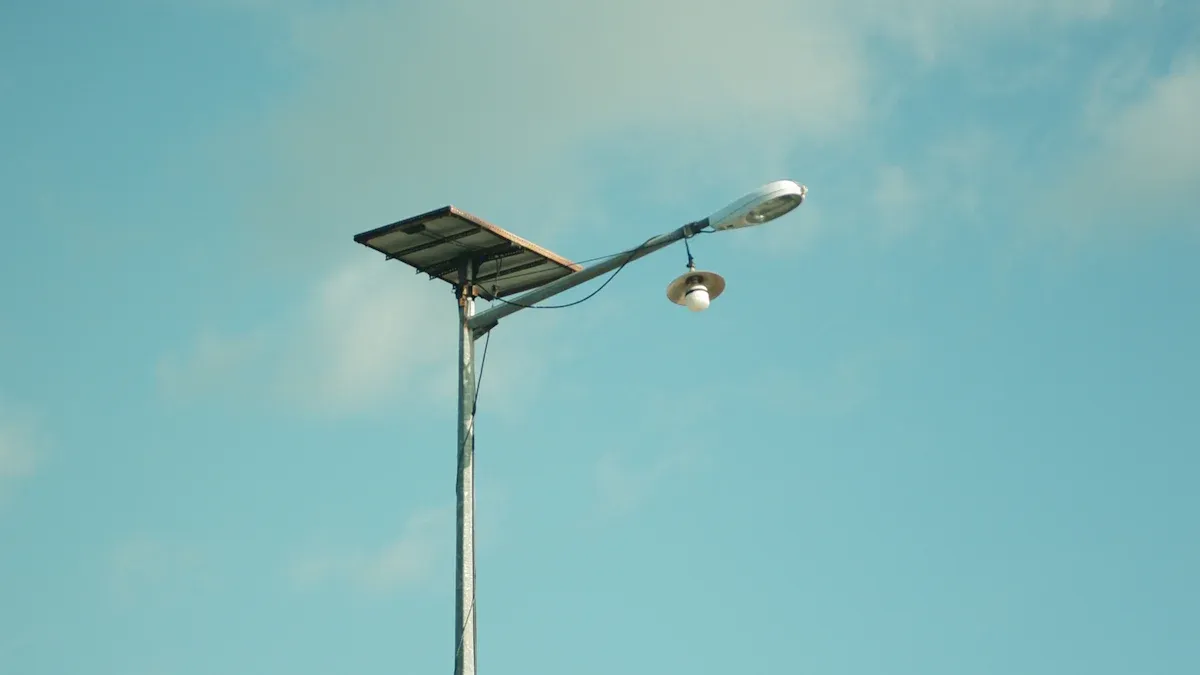
When you want to safely install solar lamp poles in windy places, you need to think about wind resistance first. Wind can push hard against tall poles, so you must check the wind speed ratings for your area. Most commercial poles need to handle wind speeds between 90 and 110 miles per hour. In some places, like hurricane zones, poles must stand up to even stronger winds—sometimes over 150 miles per hour.
Tip: Always check your local wind zone before you buy or install a pole.
Here are some important wind resistance factors to keep in mind:
- Poles rated for 90–110 MPH work for most commercial jobs.
- If you use heavy fixtures or live in a high-wind area, 7G steel poles are a smart choice.
- U.S. standards, like AASHTO, set wind zones from 90 MPH up to 170 MPH.
Local building codes also matter. These rules tell you how deep to set your pole and how strong the base should be. In hurricane-prone areas, you may need a deeper concrete base. Poles taller than 25 feet need extra care because they can shake more in the wind. Always research your local rules before you start.
Pole Height and Wall Thickness
Pole height changes how much wind your solar lamp pole will face. Taller poles catch more wind and need to be stronger. For example:
- A 30-foot pole in an open field gets hit by more wind than a 15-foot pole near buildings or trees.
- In very windy places, you may need poles rated for 150 MPH or more.
Wall thickness also plays a big role in safety. Thicker walls make poles stronger and less likely to bend or break. Here’s a quick look at how wall thickness affects different pole types:
| Pole Type | Wall Thickness Impact | Wind Resistance Characteristics |
|---|---|---|
| Straight Poles | Thicker walls (over 5mm) give more strength and stability. | Can still be unstable in extreme winds if too tall. |
| Tapered Poles | Thicker at the bottom for better support. | Handle wind better because of lower center of gravity and smaller wind area. |
If you want to safely install solar lamp poles, pick the right height and wall thickness for your wind zone. Shorter, thicker poles usually stand up better to strong winds.
Material and Shape Selection
Choosing the right material and shape helps your solar lamp pole last longer and stay safe in the wind. Here’s a table to help you compare common materials:
| Material | Strength Against Wind Forces | Advantages | Disadvantages |
|---|---|---|---|
| Aluminum | Moderate | Lightweight, easy to install, resists rust | Not as strong as steel |
| Steel | High | Very strong, lasts long, resists bending | Heavy, may need more care |
| Fiberglass Reinforced Polymer | High | Light, resists rust, safe near electricity | Not as common as steel or aluminum |
Galvanized steel works well in high wind and wet areas. Aluminum is good for gardens and paths. Stainless steel is best for salty or polluted places. Fiberglass is great for mountain or coastal spots with lots of wind.
The shape of your pole matters, too. Round poles handle wind better than square ones. Poles with sharp corners catch more wind and can shake or bend. If you want to safely install solar lamp poles, pick round or tapered shapes for the best wind performance.
You should also follow international standards for safety. Here are some important ones:
| Standard | Description |
|---|---|
| IEC 62738 | Sets rules for material thickness and fasteners. |
| ISO 12944 | Gives guidelines for rust protection and durability. |
| ASCE 7-16 | Helps you calculate wind loads based on your area. |
| TAS 100 | Tests poles for hurricanes in Florida. |
| California Regulations | Requires wind- and fire-resistant brackets. |
When you choose the right material, shape, and follow these standards, you make sure your solar lamp poles stay safe and strong—even in the wind.
Stable Installation Methods
Foundation and Anchoring
You want your solar lamp poles to stand strong, even when the wind howls. The foundation is the most important part. If you get this right, your pole will not tip or lean. Start by thinking about where you live. Some places have soft soil, while others have hard ground. If your soil is soft or uneven, you need a deeper and wider foundation. Hard soil lets you use a simpler base, but you still need to check with a professional.
Here’s a quick table to help you see what matters most for your foundation:
| Key Factor | Description |
|---|---|
| Geographical Location | Local weather and land shape can change how much wind your pole faces. |
| Material Selection | Pick strong materials that last and do not break in high winds. |
| Structural Design | Make sure the base can handle the push and pull from strong gusts. |
You should always make the foundation deep enough. In windy areas, go at least 6 feet below the ground. If you live where the ground freezes, you may need to go even deeper. The size and depth depend on how tall your pole is and how strong the wind gets. Use high-strength steel anchor bolts to keep the pole tight and straight. These bolts stop the pole from tilting or moving.
Here are the steps you should follow:
- Make the foundation deep and wide enough for your pole and wind zone.
- Use strong anchor bolts to lock the pole to the base.
- Check the foundation often to make sure it stays safe and level.
Tip: Ask an engineer to help you decide the right size and depth for your foundation.
Ballast and Guy Wires
Sometimes, you need extra help to keep your pole steady. Ballast and guy wires do this job well. Ballast means adding weight at the bottom of the pole. This weight helps stop the pole from tipping over. You can use concrete blocks or heavy stones as ballast.
Guy wires are strong cables that you stretch from the pole to the ground. These wires pull tight and hold the pole upright. They spread out the force from the wind, so the pole does not bend or snap. You see guy wires a lot on tall or thin poles.
- Guy wire systems work great in windy places.
- Tensioned wires or cables anchor the pole to the ground.
- This setup spreads out the wind’s push, so the pole stays safe.
Here’s a table to show you the best ways to anchor your pole:
| Method | Description |
|---|---|
| Concrete Foundation | Gives strong support; size and depth must match pole height, weight, and soil type. |
| Secure Anchoring | Pick the right anchor bolts for your soil and pole design. |
| Guy Wires and Bracing | Stops the pole from moving sideways in strong winds; best for tall or skinny poles. |
Note: Always keep guy wires tight and check them often for rust or damage.
Mounting Techniques
How you mount your solar lamp pole makes a big difference. Good mounting keeps the pole from wobbling and helps the solar panel get sunlight. Bad mounting can lead to big problems, especially in storms.
Here are some best practices:
- Space your poles far enough apart. This stops them from hitting each other if they sway in the wind.
- Mount the pole so it faces the sun and stands straight.
- Use the right tools, like torque wrenches, to tighten bolts and clamps. Loose bolts can make the pole shake or even fall.
- Pick strong, high-quality parts. Cheap or weak parts break easily in bad weather.
- Check all nuts, bolts, and clamps after you install the pole. Sometimes, they loosen up after a few days.
Here’s a table to help you remember what matters:
| Evidence | Description |
|---|---|
| Proper Mounting | Stops wobbling, helps the solar panel get sun, and lowers the risk of wind damage. |
| Wind Load Analysis | Engineers check wind speed data to make sure the pole can handle storms. |
| Adequate Spacing | Keeps poles from hitting each other and makes the whole system safer and stronger. |
Common mistakes include using weak parts, not tightening bolts enough, or skipping checks after installation. These mistakes can cause the pole to fail when the wind blows hard.
If you want to safely install solar lamp poles, focus on a strong foundation, good anchoring, and smart mounting. These steps will help your poles stand tall and light up your space, even when the wind picks up.
Inspection and Maintenance
Routine Safety Checks
You want your solar lamp poles to stay strong and safe, especially when the wind picks up. Regular safety checks help you spot problems before they get worse. Here’s what you should look for:
- Check the pole’s structure for cracks or bends.
- Look for rust or corrosion, especially near the base.
- Make sure all electrical connections work and stay tight.
Direct sunlight and changing temperatures can damage the pole’s surface. Moisture and debris may cause rust if the pole gets scratched or dented. High winds can make any weak spots worse. In windy areas, you might notice less dirt on your solar panels because the wind blows it away. In calmer places, you may need to clean the panels more often.
Addressing Damage
If you find damage, you need to act fast. Here’s a simple plan:
- Anchor the pole to a stable foundation so it won’t tilt or fall.
- Add guy wires for extra support if you live in a windy spot.
- Use wind-resistant designs to make your pole stronger.
You should fix any loose bolts or broken parts right away. If you see rust, clean it off and add a protective coating. Ask a professional for help if the damage looks serious.
Upgrading Components
Upgrades can make your solar lamp poles last longer and stand up to strong winds. Take a look at this table for ideas:
| Upgrade Type | Description | Impact on Wind Resistance |
|---|---|---|
| Aerodynamic Designs | Streamlined shapes lower wind drag. | Wind drag drops by up to 40%. |
| Structural Optimizations | Strong materials and tapered poles. | Stress lowers, durability rises. |
| Solar Panel Configuration | Tilt panels to shrink wind-facing area. | Wind load drops by 21%. |
| Conical Pole Design | Wide base, narrow top for less stress. | Top stress drops by 18%. |
| Cylindrical Lamp Posts | Round shapes lower wind drag. | Drag drops by 30%. |
You can use high-strength steel or fiber reinforced polymer for better durability. Upgrading parts may cost more, and you might need an engineer to check your plans. Stability checks usually cost between $500 and $1,000. If you want to safely install solar lamp poles, regular upgrades and inspections will keep your lights shining and your poles standing tall.
You can keep solar lamp poles safe in windy places by using smart steps. Pick strong materials for your poles. Check your poles often to find any problems early. Put the poles in good spots so they get lots of sunlight. Always follow these important rules:
| Key Aspect | Description |
|---|---|
| Compliance with local regulations | Always obey the rules for public lighting. |
| Structural integrity assessment | Make sure your poles stay strong in wind and bad weather. |
| Optimal placement for sunlight | Place poles where they get the most sunlight. |
- Check your poles often to spot issues before they get worse.
- Good foundations and smart placement help your poles last longer.
Be careful and keep your lights working!
FAQ
How often should you check your solar lamp poles in windy areas?
You should check them every three months. Look for loose bolts, rust, or cracks. After big storms, check again for damage.
Can you install solar lamp poles by yourself?
You can install small poles if you follow the instructions. For tall or heavy poles, ask a professional for help to stay safe.
What should you do if your pole starts to lean?
Stop using the lamp right away. Call a professional to inspect and fix the pole. Do not try to straighten it yourself.


